




The pursuit of a sustainable future has become one of the defining challenges of our era, requiring coordinated action across governments, businesses, and civil society. As the world grapples with escalating environmental degradation, resource scarcity, and the urgent need to curb global emissions, the role of government policies in steering this transition has never been more critical. From crafting comprehensive frameworks that balance economic growth with ecological integrity to incentivising innovation and corporate responsibility, policymakers are tasked with navigating a complex landscape where short-term pressures often collide with long-term imperatives. Understanding how these policies are shaped, the obstacles they encounter, and the tools at their disposal is essential for appreciating the broader effort to secure a liveable planet for coming generations.
Defining sustainable development: from brundtland to modern policy frameworks
The brundtland report and its enduring legacy
The concept of sustainable development gained widespread recognition following the publication of the Brundtland Report in 1987, formally known as Our Common Future. This landmark document introduced a definition that has since become the cornerstone of environmental and development discourse: meeting the needs of the present without compromising the ability of future generations to meet their own needs. The report emphasised the interdependence of economic progress, social equity, and environmental stewardship, urging nations to adopt policies that integrate these dimensions rather than treating them as separate concerns. Its influence endures in contemporary policy frameworks, where the language of sustainability is embedded in legislation, international agreements, and corporate strategies. The Brundtland legacy is evident in the way governments now approach climate action, resource management, and social welfare, recognising that prosperity cannot be pursued in isolation from the health of ecosystems or the wellbeing of communities.
The three pillars: balancing economic, environmental, and social priorities
Modern sustainable development policy is typically understood through the lens of three interconnected pillars: economic viability, environmental protection, and social inclusion. Achieving a harmonious balance among these pillars is a formidable task, as decisions in one domain often have ripple effects in others. Economic growth, for instance, has historically been linked to increased resource extraction and higher emissions, creating tension with environmental goals. Similarly, social programmes aimed at reducing inequality require funding that may compete with investments in green infrastructure. Policymakers must therefore seek compromises that advance all three objectives simultaneously, such as promoting green jobs that deliver both employment and ecological benefits, or designing tax systems that encourage sustainable business practices while generating public revenue. The notion of a happy medium is central to this endeavour, as rigid adherence to any single pillar can undermine the broader vision of a resilient and equitable society. Governments are increasingly turning to integrated planning tools, cross-departmental collaboration, and stakeholder engagement to navigate these trade-offs and ensure that sustainability is not merely an aspiration but a practical reality embedded in everyday governance.
Navigating the Obstacles: Climate Change, Resource Depletion, and the Green Deal
Addressing climate emergency and natural resource management
The climate emergency presents one of the most pressing limitations to achieving sustainable development, with current trajectories pointing toward a temperature rise of 2.7 degrees Celsius by the end of the century, far exceeding the 1.5 degrees target enshrined in the Paris Agreement. This stark gap underscores the scale of the challenge and the urgency with which governments must act. The financial dimensions are equally daunting, as existing expenditure on climate action falls short by an estimated three to five trillion US dollars annually, highlighting the need for innovative funding mechanisms and international cooperation. Natural resource management is another critical area where policy intervention is essential. Depletion of forests, water supplies, and mineral reserves threatens both ecological stability and economic security, particularly in regions where livelihoods depend directly on these resources. Governments are responding with a range of measures, from afforestation programmes to carbon pricing initiatives. Pakistan, for example, has committed between 800 million and one billion US dollars to reforestation efforts, while 64 carbon pricing mechanisms are now operational across 45 national jurisdictions, collectively covering more than a fifth of global emissions. These initiatives reflect a growing recognition that environmental stewardship and economic planning must go hand in hand, with policies designed to internalise the costs of pollution and reward sustainable practices.
Energy Transitions and the Role of the Green Deal in Policy Making
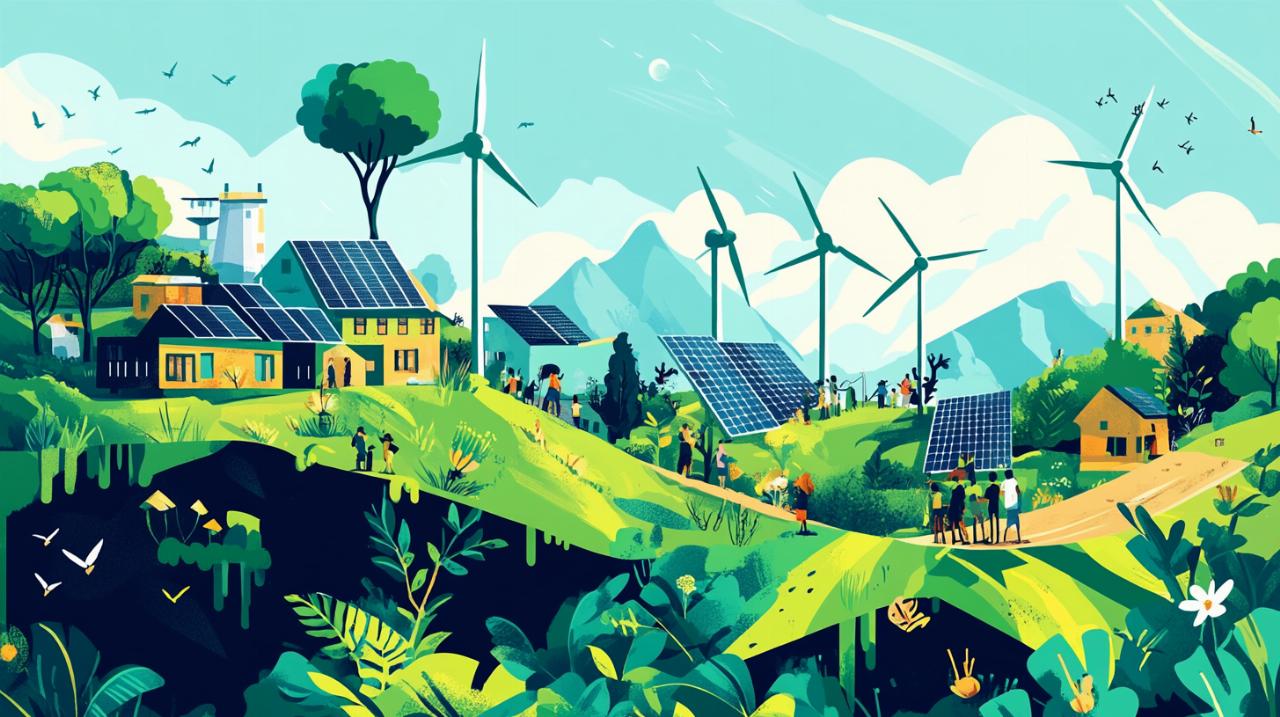
Energy transitions lie at the heart of the green agenda, as shifting from fossil fuels to renewable sources is indispensable for reducing emissions and ensuring long-term energy security. Governments are deploying a variety of strategies to accelerate this shift, including subsidies for electric vehicles, investments in charging infrastructure, and support for clean energy research. Germany has earmarked 2.5 billion euros for electric vehicle infrastructure and offers a subsidy of 9,000 euros per vehicle, while Shenzhen in China provides an annual subsidy of approximately 75,500 US dollars for each electric bus. Such measures demonstrate the scale of public investment required to catalyse market transformation and overcome barriers such as high upfront costs and inadequate infrastructure. In the United States, the Infrastructure Investment and Jobs Act allocates one trillion US dollars toward sustainability projects, encompassing everything from power utilities to transport networks. The concept of a Green Deal, whether implemented at the national or regional level, encapsulates this comprehensive approach, combining regulatory reforms, financial incentives, and innovation funding to create an enabling environment for sustainable solutions. By acting as both a catalyst and a coordinator, governments can stimulate private sector engagement, encourage technological breakthroughs, and ensure that the benefits of the energy transition are shared across society rather than concentrated in a few hands.
Corporate Responsibility and Education: Building a Sustainable Future for Coming Generations
CSR and the Business Case for Sustainable Solutions
Corporate responsibility has evolved from a peripheral concern to a central tenet of business strategy, driven by mounting pressure from consumers, investors, and regulators. Companies are increasingly expected to demonstrate their commitment to sustainability through transparent reporting, ethical supply chains, and investments in green technology. The business case for sustainable solutions is compelling, as firms that integrate environmental and social considerations into their operations often enjoy enhanced reputation, reduced risk, and access to new markets. Consulting services specialising in sustainability, climate change, and corporate finance have proliferated, helping organisations navigate complex regulatory landscapes and identify opportunities for value creation. Mergers and acquisitions in sectors such as renewable energy, clean technology, and sustainable agriculture reflect the shifting priorities of capital markets, where environmental performance is now a key determinant of long-term viability. Corporate social responsibility extends beyond compliance, encompassing proactive efforts to reduce emissions, minimise waste, and support community development. By aligning their strategies with broader sustainability goals, businesses can contribute to the United Nations objectives while securing their own competitiveness in a rapidly changing economic landscape. The integration of artificial intelligence, data intelligence, and digital transformation into sustainability initiatives further amplifies this potential, enabling companies to optimise resource use, enhance transparency, and accelerate the adoption of best practices across global supply chains.
The Vital Role of Education and Training in Achieving United Nations Goals
Achieving the United Nations' sustainability goals requires not only policy innovation and corporate commitment but also a fundamental shift in public awareness and capability. Education and training are essential tools for equipping individuals with the knowledge and skills needed to participate in and drive the green transition. From primary schools that instil environmental literacy to vocational programmes that prepare workers for careers in renewable energy, waste management, and sustainable agriculture, the education sector is a linchpin of long-term transformation. Governments are investing in curricula that emphasise critical thinking, systems thinking, and interdisciplinary approaches, recognising that tomorrow's leaders must be capable of addressing complex, interconnected challenges. Public finance directed toward education infrastructure, teacher training, and access to digital learning platforms can amplify these efforts, ensuring that opportunities are available across all segments of society. Universities and research institutions play a vital role as well, conducting cutting-edge research into climate science, clean technology, and sustainable development, while also fostering innovation hubs that link academia with industry and government. By promoting societal engagement and nurturing a culture of sustainability, education helps to build the broad-based support necessary for ambitious policy agendas. It also empowers communities to hold both governments and corporations accountable, fostering a virtuous cycle in which informed citizens demand action and policymakers respond with measures that reflect the values and aspirations of the public. In this way, education and training are not merely ancillary to the sustainability agenda but foundational, ensuring that the transition to a greener, more equitable future is both inclusive and enduring.