



Cultivating a thriving palm tree in your garden or outdoor space requires more than simply placing it in the ground and hoping for the best. These majestic plants, reminiscent of sun-drenched coastlines from the Mediterranean to Mexico, demand thoughtful attention to their unique needs. Whether you are nurturing a hardy specimen in Gravesend or tending to an exotic variety outdoors, understanding the balance between encouraging vigorous growth and preventing common pitfalls such as root rot is essential. This guide offers practical advice to help your palm flourish whilst safeguarding its health against the risks posed by poor drainage and improper care.
Optimising Watering and Drainage to Prevent Root Rot
Water management stands as one of the most critical factors in ensuring your palm tree develops rapidly and remains healthy. Palms possess an adventitious root system, meaning their roots emerge directly from the stem within a restricted area known as the root initiation zone. Unlike many other trees, palm roots do not thicken over time but instead grow out at their final diameter. This distinctive feature makes them particularly sensitive to waterlogged conditions, which can quickly lead to stem rot and severely hinder growth. Striking the right balance between providing sufficient moisture and avoiding excess water is therefore paramount.
Establishing the Proper Watering Schedule for Rapid Palm Growth
Newly planted palms require consistent moisture to establish a robust root system. During the initial ten to fourteen days following planting, it is advisable to water your palm daily, ensuring the soil remains moist but not saturated. This regular hydration encourages the root initials to develop in the moist environment they require. After this establishment period, you can gradually reduce the frequency of watering, shifting to a deeper watering technique that penetrates the soil thoroughly. Deep watering promotes the roots to grow downwards, seeking moisture and thereby enhancing the overall stability and drought tolerance of the palm. Adjusting your routine according to the season is equally important; during the warmer summer months, your palm will naturally demand more frequent watering, whilst in cooler periods, the requirement diminishes. Always monitor the soil moisture level rather than adhering rigidly to a fixed schedule, as environmental conditions can vary significantly.
Ensuring adequate drainage to avoid waterlogged roots
Even the most carefully planned watering schedule can prove futile if the drainage around your palm is inadequate. Palms detest sitting in waterlogged soil, which starves their roots of oxygen and creates an ideal environment for rot to take hold. When planting directly into the ground, it is highly recommended to incorporate a generous layer of silver sand at the base of the planting hole. This simple addition improves drainage considerably, allowing excess water to escape rather than pooling around the roots. Furthermore, mixing native soil with compost in a fifty-fifty ratio provides both nutrients and a structure that facilitates water movement. For container planting, selecting a large pot equipped with drainage holes is non-negotiable. Use a high-quality potting mix designed to prevent compaction and ensure that water flows freely through the medium. The mounding technique, which involves adding a moisture-retaining layer around the base of the palm, can also be beneficial. This approach creates a larger root zone and protects emerging roots, but care must be taken not to mound too high, as excessive material can trap moisture against the stem and provoke rot. Materials such as mulch, compost, or even straw can serve this purpose, with faster-draining options generally preferred to avoid waterlogging.
Maximising Sunlight and Soil Composition for Vigorous Development
Light and soil are the foundations upon which your palm tree builds its strength. Selecting the right location and preparing the ground with appropriate amendments will significantly accelerate growth and improve the overall vitality of your plant. Palms are inherently sun-loving specimens, and their growth rate is directly influenced by the amount of light they receive. Equally, the composition and pH level of the soil play a pivotal role in nutrient availability, which in turn fuels the development of lush foliage and a sturdy root system.
Selecting the Ideal Sun Exposure for Your Palm Species
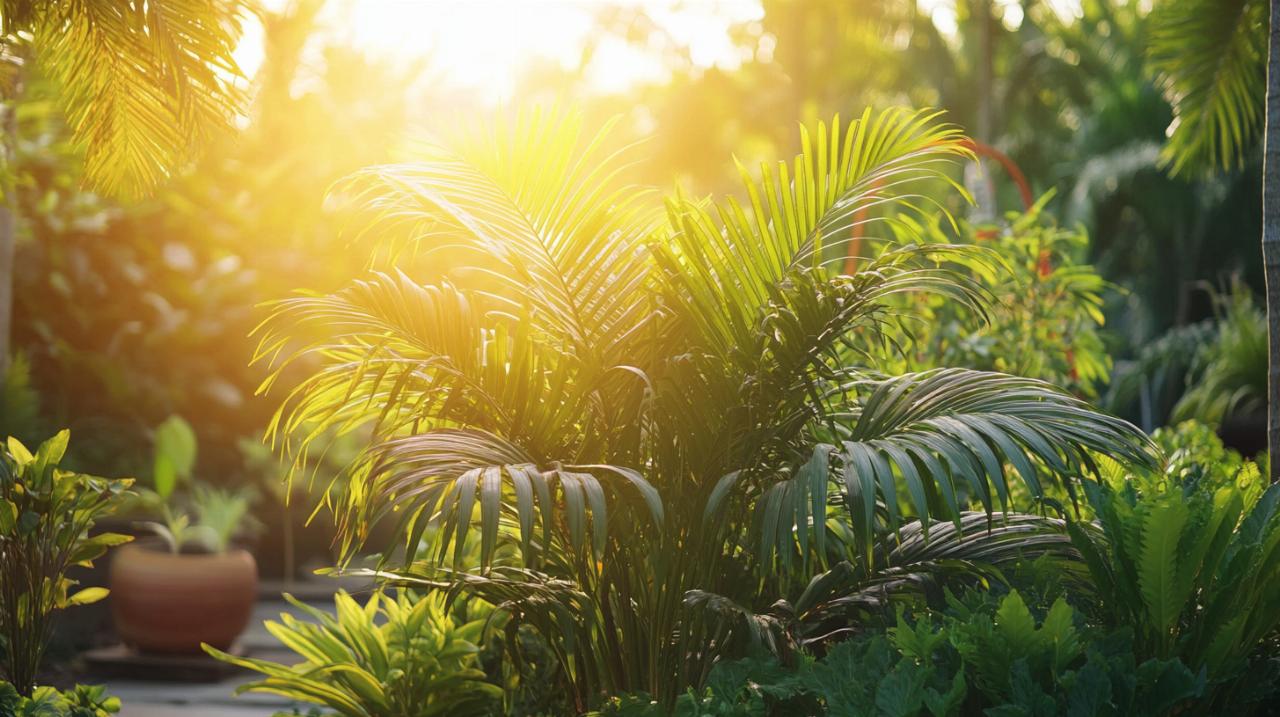
Whilst palms are generally associated with bright, sunny climates, it is important to recognise that different species have varying light requirements. Most palms will thrive when positioned in a sunny and sheltered spot, where they can bask in direct sunlight for the majority of the day. This exposure encourages vigorous growth and helps the leaves develop their characteristic vibrant green colour. However, if you are growing a palm outdoors in a temperate region such as Gravesend, providing shelter from harsh winds is just as crucial as ensuring adequate light. Wind can desiccate the foliage and stress the plant, slowing its growth. When selecting a planting spot, consider the microclimate of your garden. Areas that receive full sun but are shielded by walls or fences often provide the perfect conditions. If you are unsure about your palm's specific needs, researching the natural habitat of your chosen species can offer valuable clues. For instance, palms native to the Mediterranean basin or parts of China and Mexico typically demand abundant sunlight and warmth to reach their full potential.
Choosing the Right Soil Mix to Accelerate Growth
Soil composition is another cornerstone of successful palm cultivation. Well-draining soil with the correct pH level ensures that your palm can access the nutrients it needs without becoming waterlogged. A pH level that is either too acidic or too alkaline can lock away essential minerals, stunting growth and leading to yellowing leaves. Most palms prefer a slightly acidic to neutral pH, so testing your soil before planting and amending it accordingly is a wise investment. When preparing the planting area, blending native soil with compost in equal proportions creates a rich, fertile medium that retains some moisture whilst allowing excess water to drain away. Adding silver sand to the base of the planting hole further enhances drainage, a practice particularly beneficial in heavier clay soils. For container-grown palms, using a high-quality potting mix specifically formulated for palms or tropical plants can make a substantial difference. These mixes are designed to provide both aeration and nutrient retention, supporting rapid growth without the risk of compaction. Additionally, consider the long-term fertility of your soil. Incorporating organic matter such as compost or well-rotted manure not only improves structure but also supplies a slow-release source of nutrients that feeds your palm over time.
Practical Garden Care and Product Recommendations for Outdoor Palms
Beyond the fundamentals of water, light, and soil, ongoing care and the judicious use of products can elevate your palm's growth and resilience. Maintaining healthy foliage, addressing common issues promptly, and applying the right fertilisers at the appropriate times are all part of a holistic approach to palm care. This section explores practical steps and product recommendations to ensure your palm remains a striking feature in your garden or outdoor space.
Maintaining healthy foliage and managing common palm issues
The leaves of a palm tree are not merely decorative; they are vital organs that capture sunlight and drive photosynthesis. Keeping the foliage healthy and free from damage is therefore essential for accelerating growth. Pruning plays a role here, but it must be approached with caution. Over-pruning can strip the palm of its ability to produce energy, severely hampering its development. Only remove dead or dying fronds, and always use clean, sharp tools to prevent the introduction of disease. Timing your pruning for autumn allows the palm to enter the dormant winter period without the stress of healing fresh cuts during the growing season. Seasonal adjustments to your care routine are equally important. In spring, as growth resumes, this is the ideal time to apply fertiliser and check for any signs of pest infestation or disease. Summer demands increased watering and vigilant monitoring for heat stress, whilst winter may require protective measures against frost, particularly for palms planted in regions where temperatures can drop to minus ten or fifteen degrees Celsius. Protecting the crown and base with horticultural fleece or straw during cold snaps can prevent frost damage and ensure your palm emerges unscathed when warmer weather returns. Additionally, managing issues such as exposed roots or air-girdled planting through the mounding technique can stabilise the plant and encourage the development of a wider base, reducing the likelihood of toppling and improving overall health.
Beneficial Products and Fertilisers for Enhanced Palm Vitality
Fertilisation is a key component in promoting rapid palm growth, but the type and timing of fertiliser application are critical. Palms benefit from a balanced fertiliser that contains nitrogen, potassium, and magnesium. Nitrogen supports the development of lush, green foliage, whilst potassium strengthens the plant's resistance to disease and environmental stress. Magnesium is essential for chlorophyll production, and a deficiency can result in yellowing leaves, a common complaint among palm growers. Apply fertiliser in April, July, and September, but avoid feeding newly planted palms for the first six months to allow them to establish without the risk of fertiliser burn. Slow-release formulations are particularly effective, as they provide a steady supply of nutrients over an extended period, reducing the need for frequent applications. For those seeking to enhance soil structure and fertility simultaneously, incorporating mulch or compost around the base of the palm can deliver long-term benefits. These organic materials not only suppress weeds and retain moisture but also break down gradually, enriching the soil with humus. If you are growing palms in containers, consider using a potting mix that includes perlite or bark to maintain aeration and drainage. When sourcing plants and products, reputable suppliers such as those offering architectural plants, bamboo, topiary, and ornamental grasses can provide expert advice tailored to your specific needs. Whether you are based in Gravesend or further afield, investing in high-quality materials and following a structured care routine will reward you with a palm tree that grows vigorously and remains a stunning focal point in your outdoor space for years to come.