


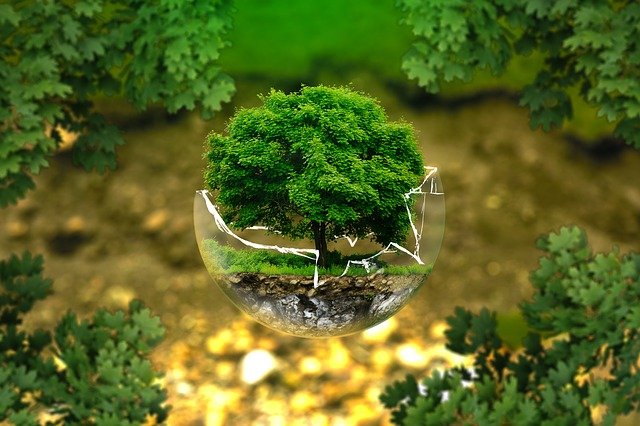

Transforming your living space into a sanctuary of style and sustainability doesn't require an extensive budget or a complete overhaul. With a few thoughtful touches and a commitment to eco-friendly practices, you can breathe new life into your home whilst reducing your environmental impact. Whether you're looking to refresh tired interiors or cultivate a greener outdoor haven, blending creativity with conscious choices can yield remarkable results that benefit both your household and the planet.
Fresh ideas for decorating your gaff
Revitalising your home doesn't have to mean buying everything brand new. By embracing resourcefulness and a touch of imagination, you can craft interiors that reflect your personality whilst honouring the environment. The key lies in rethinking what you already own and sourcing pieces that carry history and character. From reclaimed treasures to inventive uses of natural materials, a fresh approach to home decoration can transform any room into a unique and inviting retreat.
Upcycling Furniture and Vintage Finds for Character
One of the most rewarding ways to inject individuality into your décor is through upcycling. Old chairs, tables, and cabinets can be given a second lease of life with a coat of paint, new upholstery, or even creative repurposing. A vintage dresser might become a striking bathroom vanity, whilst a worn wooden ladder can serve as a rustic bookshelf or towel rail. Scouring charity shops, car boot sales, and online marketplaces often unearths hidden gems at a fraction of the cost of new furnishings. These second-hand treasures not only reduce waste but also add layers of history and charm that mass-produced items simply cannot replicate. By choosing to restore and reimagine, you contribute to a circular economy and create a home that tells a story. The process itself can be immensely satisfying, allowing you to tailor each piece to your exact taste and colour scheme. If you're keen to explore more innovative approaches and discover additional resources for your home projects, you might want to visit casa xalon website for inspiration and guidance on everything from interior design to renovation tips.
Creating feature walls with eco-friendly materials
A feature wall can serve as the focal point of any room, drawing the eye and setting the tone for the entire space. Rather than opting for conventional wallpaper or paint laden with volatile organic compounds, consider eco-friendly alternatives that are kinder to both your health and the environment. Reclaimed wood panels bring warmth and texture, whilst natural stone or exposed brick can lend an industrial edge. Cork tiles offer excellent insulation and a unique aesthetic, and they're harvested sustainably from the bark of cork oak trees. For those who prefer a softer look, lime wash or clay-based paints provide beautiful, breathable finishes in a range of earthy hues. Even recycled tiles or repurposed metal sheets can be arranged into striking geometric patterns. The beauty of using sustainable materials lies not only in their reduced environmental impact but also in their authenticity and durability. Each grain of wood and irregularity in stone adds depth and interest that synthetic products struggle to emulate. By making mindful material choices, you create a healthier indoor environment whilst supporting eco-conscious suppliers and craftspeople.
Tips for a Sustainable Garden
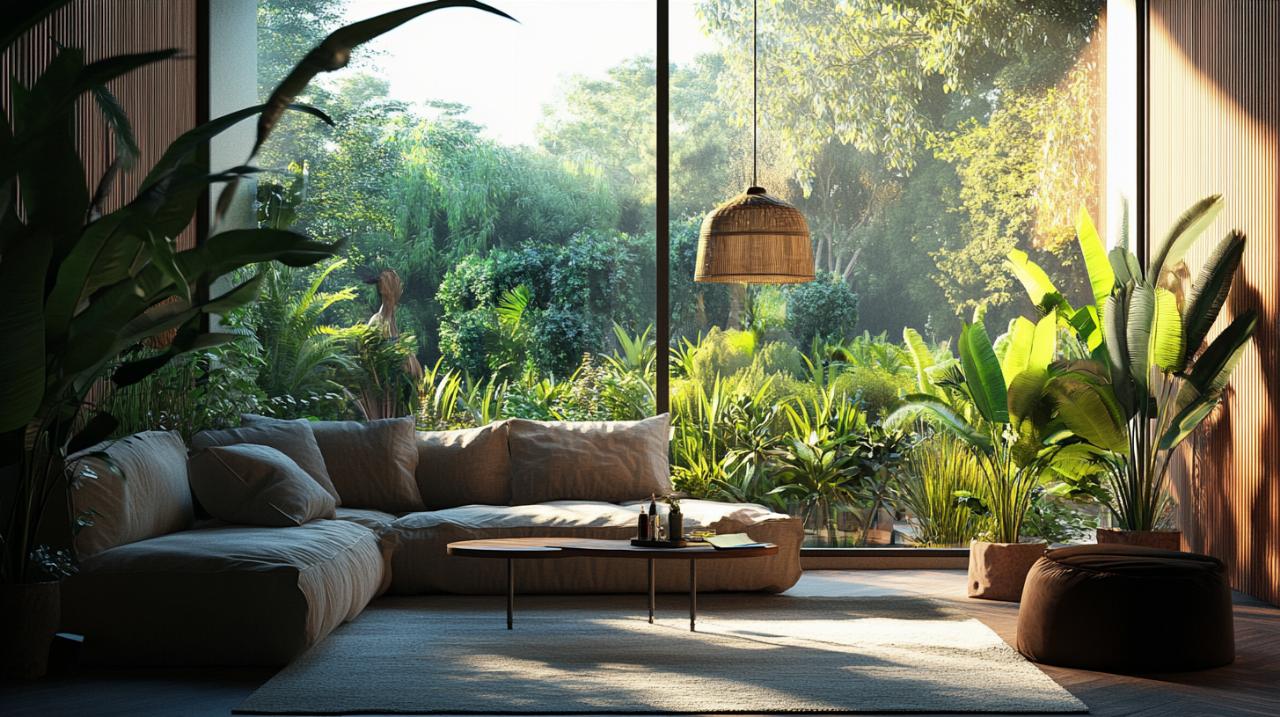
Cultivating a garden that flourishes whilst respecting the planet is an achievable goal for gardeners of all levels. Sustainable gardening practices focus on working with nature rather than against it, conserving resources, and fostering biodiversity. From water-saving techniques to nurturing healthy soil, these methods not only reduce your carbon footprint but also create a resilient and vibrant outdoor space. By integrating composting, rainwater harvesting, and natural pest management, you can enjoy a thriving garden that supports local wildlife and minimises environmental harm.
Water conservation techniques and rainwater harvesting
Water is a precious resource, and using it wisely in the garden is essential for sustainability. One of the simplest and most effective strategies is rainwater harvesting. Installing a water butt beneath your downpipe allows you to collect rainwater from your roof, providing a free and eco-friendly supply for watering plants. This method reduces reliance on mains water and lowers your water bill, all whilst offering plants the soft, chemical-free moisture they prefer. When it comes to irrigation, consider drip systems or soaker hoses that deliver water directly to plant roots, minimising evaporation and runoff. Mulching around plants with organic matter such as bark or leaf mould helps retain soil moisture and suppresses weeds, reducing the need for frequent watering. Selecting drought-tolerant plants and native species ensures your garden can withstand dry spells without excessive intervention. Right plants in the right place is a mantra worth repeating, as it not only conserves water but also promotes healthier growth. By adopting these water-wise practices, you contribute to broader efforts in carbon footprint reduction and create a garden that thrives even in challenging conditions.
Composting and natural pest control methods
Composting is a cornerstone of eco-friendly gardening, transforming kitchen scraps and garden waste into rich, nourishing fertiliser. Every kilogram of homemade compost saves over a tenth of a kilogram of fossil carbon dioxide emissions, making it a powerful tool for waste reduction and soil improvement. A well-maintained compost heap or bin will break down vegetable peelings, coffee grounds, grass clippings, and fallen leaves into humus that enriches your soil and supports vigorous plant growth. Leaving twigs and other organic debris in quiet corners of the garden provides shelter for beneficial insects, whilst gifting extra seedlings to neighbours or community gardens helps spread the joy of grow your own initiatives. When it comes to managing pests, natural methods are both effective and environmentally sound. Encouraging hedgehogs, birds, and ladybirds by planting hedges and wildflowers creates a balanced ecosystem where natural predators keep pest populations in check. Companion planting, such as marigolds alongside vegetables, can deter aphids and other unwanted visitors. Homemade sprays using garlic, nettles, or soap solution offer gentle, chemical-free pest control. By embracing composting and fostering a wildlife-friendly environment, you cultivate a garden that is productive, resilient, and in harmony with the natural world. These sustainable gardening practices not only enhance your outdoor space but also contribute to a healthier planet for future generations.